At Tenzo, we believe that best-of-breed solutions are key to the success of restaurants. Each operational challenge that restaurants face is unique, so picking the right tool for you is essential. We recently spoke with Planday about how they view best-in-breed solutions, and how an integrated approach to the restaurant tech ecosystem is vital in […]
The post The restaurant tech ecosystem: Building stronger partnerships to better serve our customers | Planday & Tenzo appeared first on Tenzo.
]]>At Tenzo, we believe that best-of-breed solutions are key to the success of restaurants. Each operational challenge that restaurants face is unique, so picking the right tool for you is essential.
We recently spoke with Planday about how they view best-in-breed solutions, and how an integrated approach to the restaurant tech ecosystem is vital in the process to ensure smooth, efficient operations for restaurants.
“We believe an ecosystem strategy with partners on each operational challenge of the restaurant is the only way to keep focus, working as a team to help restaurateurs thrive.” – Sebastian Arrese, Senior Partnerships Manager, Tenzo
Partnerships with Hospitality Tech Companies
Planday’s mission is to help hospitality SMBs make their days work; offering best-in-class solutions to uncomplicate everyday workforce management and automating the handling of POS, inventory, payroll, and more!
Planday puts an emphasis on partnerships with other hospitality tech companies to help fulfil their mission. Planday itself offers a best-of-breed solution and partners with other software companies to solve adjacent pain points in hospitality, meaning that together, customers can get the best experience and the highest performance out of their work days.
“To best fulfil this mission, we’re dedicated to building strong partnerships with leading software providers” – Sofia Ellmén, Global Partnerships Marketing Lead, Planday
Planday has an open API, making it easy for software providers to build integrations into their platform whilst their internal team, and third-party providers, help to introduce new integrations, fast.
“A strong tech ecosystem is good news for everyone – allowing us to bridge gaps to better meet our customer needs and strengthen our product offering.” – Sofia Ellmén, Global Partnerships Marketing Lead, Planday
A successful partnership goes beyond investment and resources. When looking for partners Planday focuses on their values, goals, customer profiles, and the strategic direction of the business.
“It’s a bit like a friendship.” – Sofia Ellmén, Global Partnerships Marketing Lead, Planday
A strong alignment in core beliefs allows for great conditions for a mutually beneficial partnership.

How does the ecosystem benefit customers?
For customers, working with tools that have a well-structured partnership and seamless integration with each other brings endless benefits. The support provided by Planday and Tenzo, and any other partners, removes the stress of researching and trying out multiple systems when trying to navigate hospitality tech to find the best solutions for their operations.
“We help to save hospitality SMBs valuable time; time that they can spend growing their business.”– Sofia Ellmén, Global Partnerships Marketing Lead, Planday
Planday is committed to delivering the best workforce management service and product to their customers. So, providing them with access to the best complimentary systems helps their customers in two ways – elevating their Planday experience and making it overall easier to run their business.
Planday and Tenzo
Planday and Tenzo complement each other perfectly. Tenzo can offer Planday’s hospitality customers detailed analytics and reporting on their hospitality businesses, with information access easily from their Planday account, thanks to the integration.
Conclusion
As companies that believe that best-in-breed solutions are the answers to the complex operational challenges faced by hospitality businesses, we also believe that partnerships are integral to the success of each other, and our clients.
Seamless integrations between software allow restaurant operators to have access to more of their information in one place and create a real-time impact on the performance of their restaurants.
Technology is confusing for all businesses, but the amount available to restaurants means a strong partnership, and the support received as a result, is vital in reducing the risk of data paralysis; allowing businesses to make the most of their data.
If you’re interested in seeing how the tools work together, reach out to the team to discover the integration.
The post The restaurant tech ecosystem: Building stronger partnerships to better serve our customers | Planday & Tenzo appeared first on Tenzo.
]]>Truffle Hunting is a UK-based consultancy firm led by James McLean and Nigel Sutcliffe. They work with restaurants to produce a road map and direct the changes to build the businesses’ successful evolution. TISSL and Tenzo work with both Truffle Hunting and James’ restaurant – The Oarsman. We spoke with James recently, at The Oarsman, […]
The post How TISSL and Tenzo have boosted performance at Truffle Hunting appeared first on Tenzo.
]]>Truffle Hunting is a UK-based consultancy firm led by James McLean and Nigel Sutcliffe. They work with restaurants to produce a road map and direct the changes to build the businesses’ successful evolution. TISSL and Tenzo work with both Truffle Hunting and James’ restaurant – The Oarsman. We spoke with James recently, at The Oarsman, about how our partnership has helped him improve performance within both businesses.
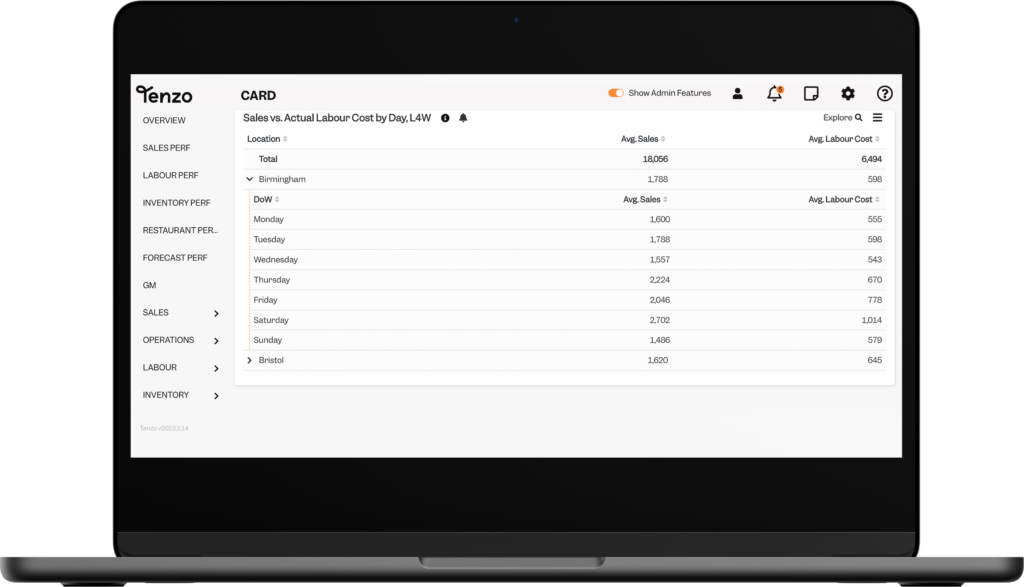
“My favourite report in Tenzo is the sales vs labour over the past 4 weeks by day of the week as it helps me see on mobile in real-time the days we are over and understaffed and take corrective action” – James McLean, Partner at Truffle Hunting
How TISSL and Tenzo have improved operations at Truffle Hunting
Tell us about Truffle Hunting
My colleague Nigel started truffle hunting back in 2003 having spent many years working with Heston at The Fat Duck. Truffle Hunting is about helping our customers create concepts, deliver on those concepts and then manage ongoing projects with them.
When did you start using TISSL and Tenzo? What made you choose them?
Nigel first worked with TISSL at the Fat Duck and Tenzo we started working with in 2018. We were starting to look at how we could build integrated ecosystems of support systems for our clients.
It was very clear that both platforms matched our ambitions to have a cloud-based system that would give us information much more simply. One of the main things we want from any platform we work with is that it keeps the team on the floor looking after the customers and reduces the amount of office time. We’d much rather keep everyone focussed on the customer’ it was a huge help in ensuring that keeps happening.
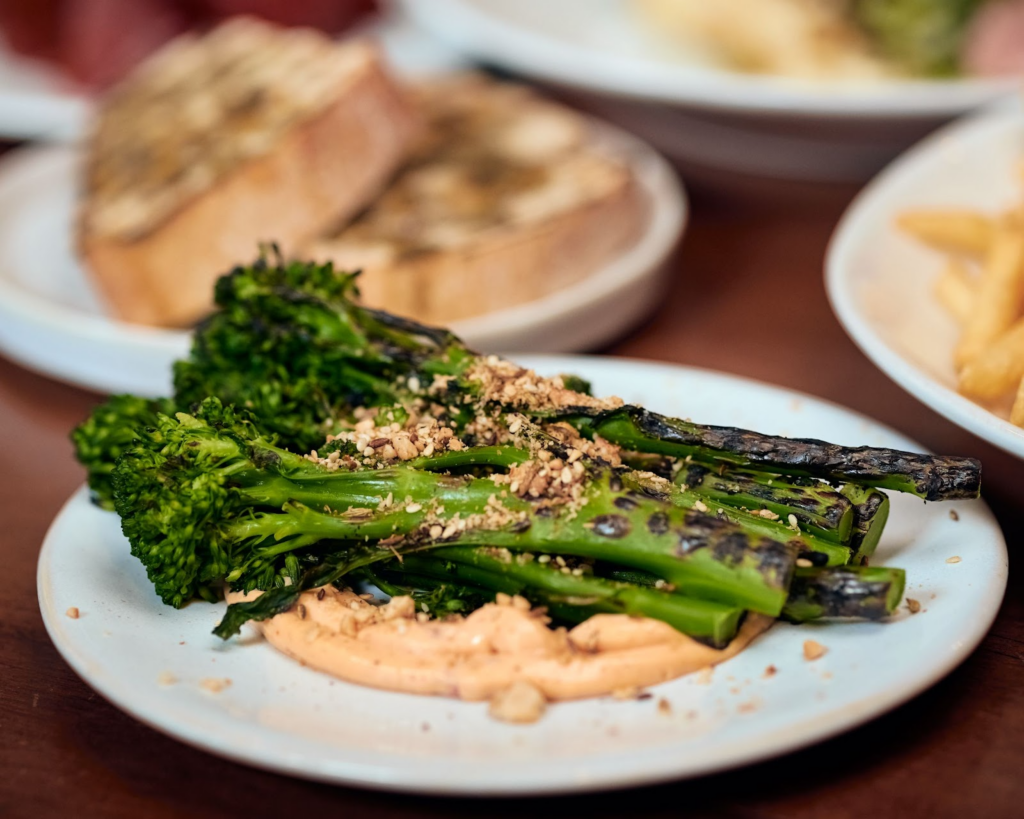
What specifically do TISSL and Tenzo do that help Truffle Hunting? How does it help day-to-day?
Most importantly, the information they have can make decisions happen immediately. We can look forward more easily; rather than looking back a month or waiting for a PNL to be produced. There would be too much of a lag.
The adaptability of being able to use TISSL and the Horizon platform; being able to use the cloud and start using the iPad for ordering; breaking down the departments of the business so they work very simply. Coupled with Tenzo’s ability to give us an intuitive platform to read the sales analysis. As well as being able to overlay revenue with staff costs, it all becomes very simple. The very close integration between the two works seamlessly.
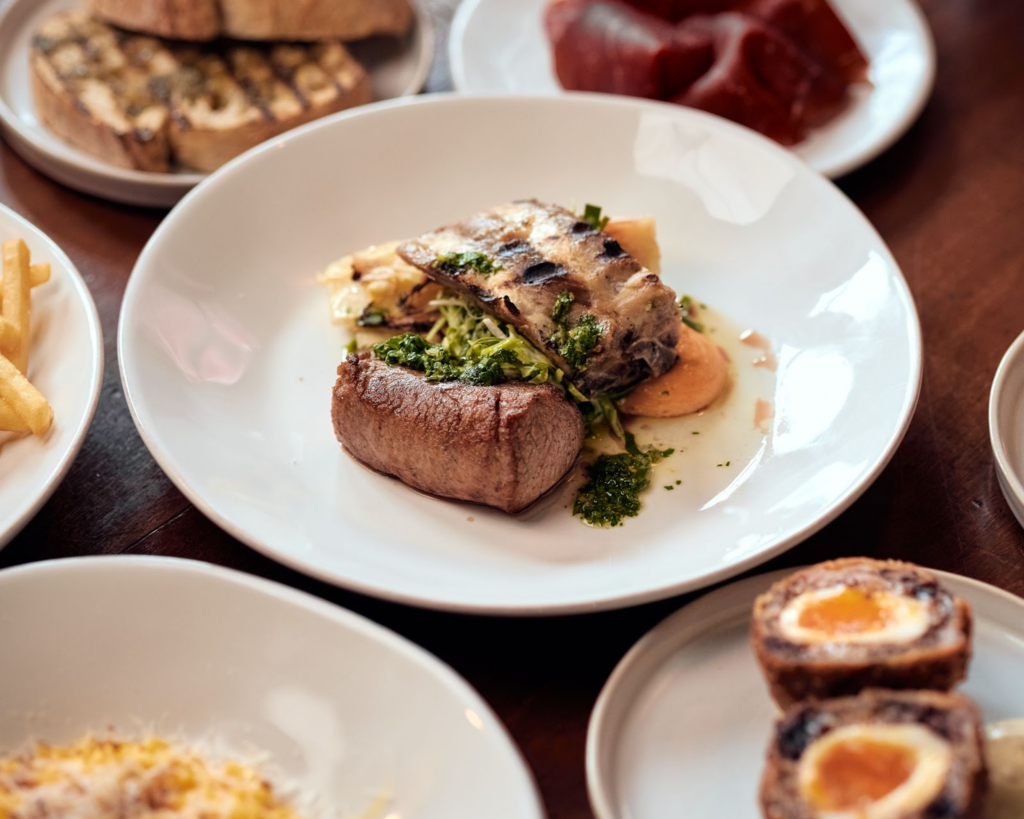
How does it differ using TISSL and Tenzo as an operator, compared to a restaurateur?
I don’t think there is any difference between how we use the tools being an operator and being a consultant – it’s the same information and we apply the same disciplines everywhere we go.
However, what is really valuable is that it also gives a very transparent view of the business to a client. We are all looking at the same information at the same time; it’s clear to the client that we’re not hiding anything.
We work on everything in a very clear transparent way, so everybody understands what the challenges are, and we get a collective view of their ambitions and how we’re to achieve those ambitions
How has the integration between TISSL and Tenzo improved your operation, rather than using them separately?
One of the ways in which the two platforms working together so well has worked so well for us is that not only can we overlay information, we are able to sit centrally and generate reports that cover individual sites. It gives us an overall view when we dig in on a Monday morning to be able to find the questions that we need to ask that day.
As far as the collaboration between TISSL and Tenzo goes I could only say to anybody it’s a really really good partnership to have. It strengthens your business and I think it really simplifies the process of getting information quickly.
I think it’s about the support systems that are involved with both companies. Very much so from the teams on the ground floor calling support and getting quick answers, to us, as operators, being able to talk to the development teams and understanding what opportunities there are to develop in the ecosystems that we’ve put together.
The post How TISSL and Tenzo have boosted performance at Truffle Hunting appeared first on Tenzo.
]]>Much of a restaurant’s value is in its inventory. Inventory valuation is also a major factor in calculating your net profit. But how do you calculate the substantial investment represented by inventory? And how does inventory value apply to your profitability? And how do you do it most accurately? The answers lie in the choice […]
The post Guest post: What Food Costing Methodology Are You Using? appeared first on Tenzo.
]]>Much of a restaurant’s value is in its inventory. Inventory valuation is also a major factor in calculating your net profit. But how do you calculate the substantial investment represented by inventory? And how does inventory value apply to your profitability? And how do you do it most accurately?
The answers lie in the choice of your costing method. There are various tried and true methods of inventory valuation and food costing methods that are widely recognized as effective.
It’s Easy to Get it Wrong: Mistakes in Inventory Costing
There are effective costing models, but many restaurants make inventory costing mistakes, like:
- Ignoring waste, spoilage, and theft: restaurants relying on manual inventory management may miss waste, spoilage, or theft when calculating inventory costs, leading to incorrect inventory counts and inaccurate profitability estimates.
- Incomplete inventory counting: failing to account for ALL inventory items when calculating costs leads to inaccurate inventory valuations.
- Using inaccurate data: using outdated, incorrect inputs, or inaccurate cost data when calculating inventory costs leads to inaccurate inventory costing.
To avoid these mistakes, managers need to be sure that they are accounting for all inventory items, accounting for waste, spoilage, and theft, using up-to-date and accurate data, and correctly applying the most appropriate inventory costing model. And as any veteran restaurant manager knows, regular physical inventory counts are required to compare and reconcile inventory on-hand with the theoretical inventory on the books. Accuracy is a necessity.
The Start: Calculating Inventory Valuation
Restaurant inventory valuation is the process of assigning monetary value to a company’s products. In a restaurant that means the items on the menu.
Inventory is the stocktake, food, and ingredients in your storerooms, fridges, and freezers. When it comes to inventory valuation, however, everything that goes into making a menu item is taken into account. The total calculation needs to take into account:
- Overhead cost: labour, utilities, technology, advertising, marketing, and other budget items that keep your restaurant running.
- Food cost: your food cost is what’s sitting on your shelves, fridges, and freezer.
- Direct materials: what other materials are needed to make each dish? This includes the average cost of kitchen equipment, cooking utensils, and plates.
Delivery cost: If you offer delivery service, the cost of food prep for travel, delivery drivers, and gas should be factored into your inventory valuation, as well.
The Methods of Food Costing
To know the cost and value of your food inventory, you obviously need to know first what’s in your inventory. After that, use your chosen food costing model. There are common ways to determine inventory value. The best one for your restaurant will depend on the kind of inventory you carry and your business model.
WAC
The weighted average cost of inventory is determined by the total cost of goods sold (COGS) divided by the number of goods in inventory.
To figure out your inventory cost using WAC, take a look at your inventory software solution. Find the cost of each food or ingredient, and then divide it by the amount of that item in your inventory.
This gives you a more consistent value of your stocktake, rather than a value based on when the goods were purchased.
To calculate WAC, calculate the average cost of each item by dividing the total cost for that category by the number of items you have in that category.
If your restaurant bought 10 lbs of apples at $.060 per lb on Monday and then bought another 10lbs on Friday at $0.65 per lb, calculate your valuation using the oldest price up to the point of the price change.
So, the weighted average cost for all the apples you have would be:
(10 x 0.60) + (10 x 0.65) = $0.63
FIFO
With First In First Out, ingredients with the latest expiration date are used first. With the continuing rising cost of food, this means a restaurant is spending more, but the financial burden is minimized because there is less food waste.
The formula for the FIFO method looks like this:
Cost of Oldest Inventory per Unit x Units Sold
If your restaurant bought 10 lbs of apples at $.060 per lb on Monday and then bought another 10lbs on Friday at $0.65 per lb, calculate your valuation using the oldest price up to the point of the price change.
LIFO
The Last In First Out method isn’t quite as popular unless the business model uses a large stock of non-perishable goods. With LIFO, older items cost less to purchase, so using more expensive newer items and valuing them at cost offsets those expenses.
Calculating LIFO is simply a matter of tweaking the FIFO formula:
Cost of Newest Inventory per Unit x Units Sold
If you bought 20 cans of tomato sauce at $2.00 per can last month and the same amount at $2.50 per jar this month, you would work backwards, using the more expensive price until the date the price went down.
Inventory Replacement Cost
With this method, the cost is assigned by the amount of money spent to replace items in your inventory. This number fluctuates frequently, depending on the market.
Specific Identification Costing
This method tracks the cost of each item of inventory. This method is usually used for high-value items or items with unique characteristics, such as fine wines or speciality cheeses.
Net Profit and Inventory Valuation
The food costing and valuation method you choose has a direct impact on net profit. If you choose the FIFO method, for example, you may have a higher net income because you’re selling the goods that cost you less money first but selling them at current market prices. On the other hand that also gives you more taxable income.
Choosing the Right Inventory Valuation Method for Your Restaurant
FIFO is the one most used by restaurants, particularly for those with a menu focused on perishable goods. This method enables a reduction in food waste and maximizes the cost efficiency of their stocktake, which can offset higher taxes.
LIFO is less popular, simply because it usually doesn’t suit many restaurants’ business models. Most restaurants do not use more non-perishable items than perishable ones.
The WAC method may be a good fit for restaurants that deal with a consistent, high-volume inventory. This model often creates a clearer picture of each item category without spending time figuring out the cost of each item while considering current market value.
When owner/operators apply their inventory valuation method – whichever one they use – a deep understanding of what’s in inventory is required to start. How much does each item cost and what are the costs associated with each menu item? How much of each item do you sell and how much sitting inventory do you have?
Effective inventory valuation is deeply tied to best practices in inventory management.
Inventory Management and Inventory Costing
It’s estimated only 50% of restaurants use back-of-house automation to make tedious and time-consuming tasks like inventory management more efficient. That means 50% of restaurant managers are relying on spreadsheets and checklists and that weekly “inventory tour” of the fridges, stock rooms, and shelves.
Inventory is time-consuming. And tedious. IT. IS. A. CHORE. But it is a fundamental task for food costing. Automating inventory management can help optimize inventory costing. Streamlining and simplifying inventory management reduces the risk of errors and provides real-time analytics into what impacts profitability.
Automating Labour-Intensive Inventory Management Tasks
Inventory costing can be improved by more accurate inventory management. Manual inventory management can be difficult and error-filled. In fact, restaurants can reduce inventory mistakes and overstocking by 17% by implementing an inventory management application.
Here are some ways replacing manual inventory management with an automated inventory management software platform can help:
- Automated tracking of inventory levels: automatically tracks inventory levels by monitoring sales, purchases, and production, eliminating manual tracking and reducing the risk of data entry errors.
- Intelligent Inventory data: provides real-time data and business intelligence on inventory levels, costs, and usage, and can help managers make more informed decisions about purchasing, pricing, vendor selection, and cost control.
- Automatic inventory costing: flexibly calculates inventory costs using various methodologies, such as weighted average cost, first-in, first-out, or last-in, first-out. This can save labour time, reduce the risk of errors, and increase profitability.
- Integration with other systems: inventory management systems can integrate with other systems, such as front-of-house point-of-sale platforms and accounting software, to provide a real-time picture of inventory levels, costs, and sales.
- Ease labour shortage pains: Software as a Service (SaaS) and the appropriate restaurant technology allows restaurant managers to do more with less – eliminating profit-draining manual and time-consuming tasks. The reality is that automated inventory management can cut hours off a manager’s weekly inventory.
- Easier vendor management: generates automated purchase orders when inventory levels fall below a certain level, which can streamline the ordering and replenishment process and ensure that inventory is always stocked.
Inventory management platforms provide business intelligence in real-time and help restaurants save time, reduce errors, and make more informed decisions about inventory costing, purchasing, and cost control. By using an inventory management system, restaurants can improve their inventory costing processes and maximize profitability.
MarketMan is an inventory management platform that helps restaurants keep costs under control and efficiently manage inventory by automating back-of-house operations. MarketMan’s cloud-based inventory management and purchasing solution simplifies all back-of-house operations, streamlining everything from inventory to budgeting, reporting, and supplier management. MarketMan empowers restaurants to: save time, save money, and gain control.
The post Guest post: What Food Costing Methodology Are You Using? appeared first on Tenzo.
]]>Today we’re excited to announce the official launch of Tenzo Partner Program. Our company is founded on partnerships and we already boast dozens of integration partners to help bring aggregated data, detailed insights, and predictive analytics for restaurant management to our customers. Over the last year we’ve worked on building business relationships with a handful […]
The post Tenzo Partner Program appeared first on Tenzo.
]]>Today we’re excited to announce the official launch of Tenzo Partner Program. Our company is founded on partnerships and we already boast dozens of integration partners to help bring aggregated data, detailed insights, and predictive analytics for restaurant management to our customers.
Over the last year we’ve worked on building business relationships with a handful of our technology partners and industry experts, collecting feedback and discovering what works.
Our new Partner Program focuses on structuring our services to better support ecosystem partnerships with technology leaders, industry consultants and Resellers.
“Tenzo works with best-in-class technology partners so they can focus on what they do best. We provide the glue for other software so customers get a full management platform and don’t have to settle for all-in-one systems that don’t fit their needs. We’ve also extended our partnerships to industry consultants and Resellers and we’re excited to work with these experienced ecosystem experts that offer tailored expertise to restaurants and hospitality businesses of all sizes.”
– Jared Garcia, Head of Partnerships at Tenzo
Benefits of Partnering

New Benefit Structure
Our benefits offer a transparent structure to understand how a new partnership can work.
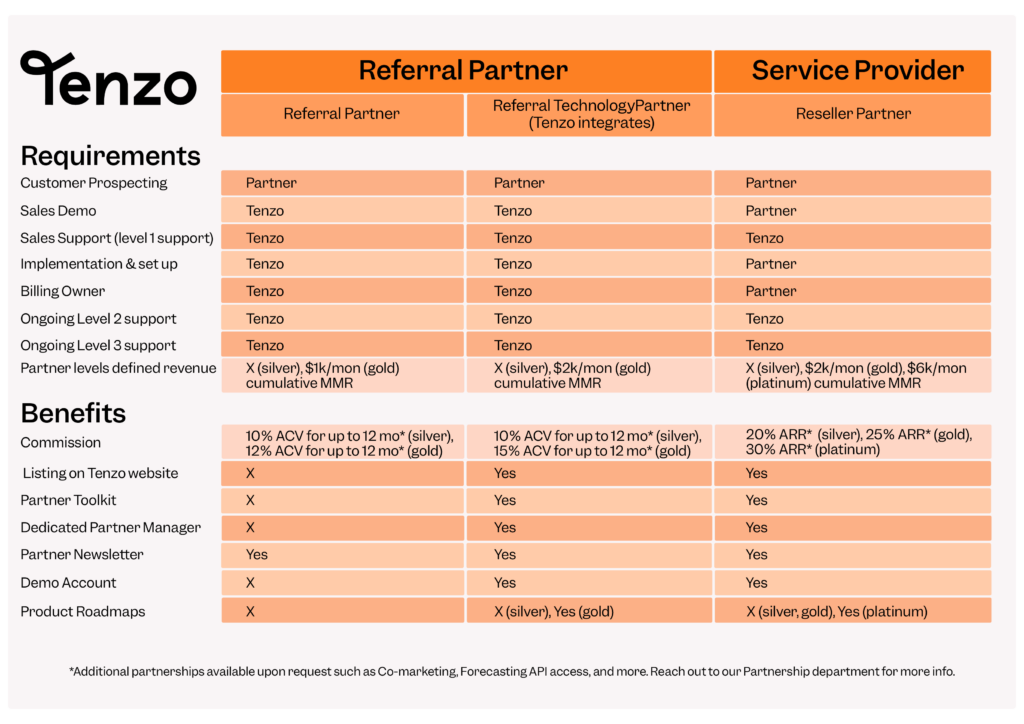
Partner benefits include:
- Earn a commission on contracts (see table below for exact percentages)
- Go-to-market strategy to guide a successful partnership launch
- Tenzo Demo accounts
- Dedicated Tenzo Partner Manager to help onboard into our Partner Program and assist with closing deals
If you do not yet have a partnership with Tenzo and would like to speak with a Tenzo Partner Manager, please fill out this form.
New Tools & Support
Our focus on ecosystem partnerships has led to a collection of new enablement and product updates for partners.
We’ve created account-specific toolkits with helpful documentation for sales and marketing teams to provide up-to-date product images, short and long Tenzo company descriptions, and product training videos to educate teams. With access to a Tenzo demo account, partners of all types and sizes can easily learn the Tenzo app and start selling in no time.
We also recently built an Admin Portal, so partners such as our Resellers can help support their network quickly and independently of Tenzo which increases product availability for their customers. Features will continue to be developed as we work hand-in-hand with our strong partner network.
Drive Business Growth
Ultimately we know success for our partners equals success for our platform. This includes opportunities to co-market, develop target accounts, and to directly partner in co-selling strategic opportunities.
“Tenzo is channel-sales-friendly and collaborative with partners… in summary they make us more money” – Christophe Delacroix, Founder & Consultant, Bluebird
Let’s Work Together
We’ve had the ability to work with some of the best technology partners and consultants in the restaurant and hospitality ecosystem, which has brought Tenzo into 13 countries on 4 continents. We’re excited to grow our network even more to bring the benefits of a fully connected system to everyone in the restaurant and hospitality industry.
If you’re already a member of our partner program, reach out to your Partner Manager to discuss how we can build a stronger connection.
If you’re not yet a partner, you can check out the Partner Program in detail on our new website including signing up for a partnership. We’re excited to learn more about your company and discover the value of working together.
The post Tenzo Partner Program appeared first on Tenzo.
]]>This week our partners at Marketman have written a guide to inventory costing, one of the most challenging aspects of managing stock within a restaurant. Read on to learn all about the different methods you can use as well as how Marketman can help. As a restaurateur, the success of your establishment hinges on creating […]
The post Restaurant Inventory Costing: The essential guide – 3 techniques appeared first on Tenzo.
]]>This week our partners at Marketman have written a guide to inventory costing, one of the most challenging aspects of managing stock within a restaurant. Read on to learn all about the different methods you can use as well as how Marketman can help.
As a restaurateur, the success of your establishment hinges on creating great recipes and sourcing quality ingredients at sustainable prices. However, food costs average around 29% of restaurant expenses making developing an effective inventory costing strategy a must.
This can be a huge challenge, though, due to not being able to forecast customer demand, and limited shelf lives.
Inventory costing is a way restaurant owners can make sure they’re keeping sustainable practices. It’s the process of assigning a specific cost to inventory rather than focusing on the sticker price of the ingredients. Costing also accounts for hidden inventory costs such as:
- Cost of space: Restaurants have finite amounts of space. You need to ensure that you’re striking the right balance between storage areas, the kitchen, and general dining area, to maximise revenue.
- Cost of money: If you carry debt to purchase inventory, then you need to account for the interest cost in the purchase price. If you don’t have debt, you need to account for the interest income that is lost with this purchase.
- Cost of obsolescence: Even the most experienced restaurant professionals must write off spoiled inventory and damaged goods.
The truth is inventory costing is complicated, which is why many restaurateurs use inventory management platforms to gain control and visibility of their inventory. But, if you’re not using a tech solution, one of the formulas below can help you calculate your inventory costs.
First-In, First-Out (FIFO)
First-in, first-out inventory measurement is the most common inventory costing technique as it’s easy, reliable and accurate. FIFO assumes that goods purchased first, are sold first – usual practice in restaurants as chefs tend to use the ingredients that are closest to expiration first.
Implementing FIFO costing in your restaurant is simple. You only need to mark inventory with its arrival date, and then shelve those items behind existing stock. By using inventory before it goes out of date, restaurants can use the current cost of goods for their financial reporting. This also helps restaurants minimise financial burdens due to rising ingredient prices.
Despite these advantages, FIFO also has a couple of negatives. The first is that FIFO costing results in higher tax bills because restaurants end up showing a higher profit. The second disadvantage is that organising and tracking products in the order they came in can sometimes be operationally challenging when running a bustling kitchen. Moving focus from the production itself could lead to lost products, mistakes, and ultimately food wastage.
Last In, First Out (LIFO)
Last in, first-out costing assumes that ingredients purchased last are sold at their original cost. An example of this is when a restaurant stocks up on canned food but continues to purchase fresh ingredients. Rather than using the older canned goods, the staff use newer inventory instead.
The LIFO costing technique requires the restaurateur to record the original purchase price of inventory when it is used, even if the value goes down over time. This price inflation causes a decrease in profit margin, which lowers taxes.
Side note: LIFO is generally used in restaurants to cost non-perishable goods as perishable inventory would go to waste under this method.
Most restaurants avoid this costing method because it doesn’t provide an accurate valuation of inventory. In fact, LIFO costing is actually banned under International Financial Reporting Standards (IFRS) and its use is restricted under Generally Accepted Accounting Principles (GAAP). So even if LIFO is permitted in your country, governments sometimes require companies to file excessive amounts of paperwork as LIFO costing is often a red flag.
Weighted Average Cost (WAC)
Weighted average costing, also known as the rolling-average method, is a middle ground between FIFO and LIFO. This method uses the average unit cost, rather than the oldest- or newest-recorded prices when calculating tax rates.
Restaurateurs that use WAC take a simple average of their inventory value regardless of purchase date, and then conduct a final inventory count at the end of their accounting period. By multiplying the average cost per item by the final inventory count, the restaurant can calculate the cost of ingredients at that particular time.
The WAC method is ideal for restaurateurs if they’re looking to simplify their record-keeping and are purchasing sets of ingredients in large batches.To calculate the WAC of inventory, you need to take the total cost of ingredients and divide by the number of units available.
Although the simplicity of WAC costing is beneficial for many if you’re sourcing inventory that rarely varies in price, it also can work against you if you source ingredients with large price variations as the full value can’t always be reported on.
Special considerations when costing inventory
For your inventory costing to be successful, you’ll need to stick to one method throughout the financial year. This not only simplifies your bookkeeping, but it ensures you stay compliant with GAAP, IFRS, and local government regulations.
Remember that if you choose to change costing methods mid-year, you might incur additional taxes and you may have to annotate your financial statements, even sometimes using the new costing method on previous financial statements.
If you feel like this is overwhelming, you aren’t alone. Accurate inventory costing is a necessary evil in the restaurant industry. That’s why many professionals are embracing digital inventory management systems with built-in inventory costing functionality, that enables them to focus on meeting guest needs and their general restaurant operations.
The great thing about digital inventory management solutions such as Marketman is that they integrate with most POS systems so that the restaurant can immediately improve operations, as opposed to legacy solutions that require specialised hardware and extensive training.
If you’d like to find out more about Marketman, or how Marketman and Tenzo work together please don’t hesitate to get in touch.

The post Restaurant Inventory Costing: The essential guide – 3 techniques appeared first on Tenzo.
]]>This week’s blog is written by our partners at Revel about optimising the digital journey. To find out more about our integration check out our dedicated page. To Stay Competitive, Stay Ahead of the Tech Curve When it comes to technology, today’s consumers want it all—an elevated experience that’s faster, more in tune with their […]
The post Optimising the Digital Consumer Journey appeared first on Tenzo.
]]>This week’s blog is written by our partners at Revel about optimising the digital journey. To find out more about our integration check out our dedicated page.
To Stay Competitive, Stay Ahead of the Tech Curve
When it comes to technology, today’s consumers want it all—an elevated experience that’s faster, more in tune with their own preferences and available to them whenever, and in whichever channels they desire.
These channels include: mobile and web apps, kiosks, tablets for on-the-go orders, voice ordering applications, and many others. Together, these technologies create a complete digital journey for consumers.
The digital journey is more critical than ever before as COVID-19 has changed the restaurant industry. In fact, it may change consumer behavior and expectations permanently.
In 2020 and beyond, the digital experience is about far more than efficiency. It’s now about exceeding consumer expectations. Keeping pace with those expectations can be challenging as new technology emerges. However, it is critical to ongoing, long-term success in a rapidly evolving market.
How can business operators manage these expectations and deliver the technology consumers crave in a realistic way? In order to help operators decide where to focus, let’s look at three key areas that can positively impact today’s digital consumer journey.
Reach More Customers with Online Ordering
The rise of mobile technology aligns with an increase in out-of-restaurant sales. Delivery, takeout and curbside pickup have grown in popularity as aggregatory solutions are making the process easier for consumers to navigate.
COVID-19 has accelerated these trends. More consumers turn to takeout as an alternative to going out while restaurants are closed or operating at reduced capacity. While the numbers are not yet in, the effects of the coronavirus are clear. Consumers are trying third-party delivery services for the first time, and many are ordering more takeout than they did prior to the pandemic. Knowing online and mobile orders are a growth area, restaurant operators not yet utilising takeout or delivery are in a good position to decide how to provide these offerings.
Generally there are two choices for restaurant operators to consider when adding online ordering to their business: going with an aggregator solution, such as Uber Eats, Grubhub, or DoorDash, or developing your own merchant solution. While third-party aggregators can provide a frictionless experience for consumers, they also charge 20-30% for every delivery made. It is often a more cost-effective alternative to have your own native online ordering site. You can direct your loyal consumers there so that the majority of your online business avoids heavy fees.
Maple Street Biscuit Company, a brunch chain with locations across the southeast United States, was thankful to have a native online ordering solution up and running in a matter of days when COVID-19 took the restaurant industry by storm. The team leveraged online ordering to temporarily operate as a general store in response to closing their doors. They even added a philanthropic component to their offering through their Biscuits for Heroes initiative.
“We realised we had a [online ordering] tool that could be modified and updated on a regular basis across our 33 locations, and could build it in a way that guests could easily experience new ways to market,” said Scott Moore, CEO of Maple Street Biscuit company. “We went from being a restaurant, to a grocery store, to a charity vehicle, and everyday we were changing what that looked like. It became a powerful communication tool for us.”
In total, 98% of the nearly 8,000 Biscuits for Heroes purchases were made through their in-house online ordering solution.
Delight Digital-First Customers with Kiosks
The restaurant industry increasingly serves consumers who are true digital natives. Generation Z is today’s most technology-forward generation, and the cohort expects to use it for absolutely everything. In many ways, this generation—among others—prefers interacting with devices to people. They want interfaces to be intuitive, efficient and cut straight to the chase. Mobile apps can meet this need off-premise, but in-store, kiosks are the digital answer.
In 2018, QSR giant McDonald’s embarked on upgrading over 1,000 locations per quarter with self-service kiosks. Consumers who choose to go into a location can place their order, pay through credit or debit, and then pick up their order at the front counter.
In its State of the Restaurant Industry report, the National Restaurant Association found that service-enhancing items, such as tablets at the table and self-service kiosks, are technologies that rate highest with consumers.
This rating likely depends on a few factors. Of course the store and the demographic of the consumer are important considerations. And if there’s a line at a till, there’s a greater likelihood that the consumer will veer towards a kiosk or another type of application.
For the Indian street food concept Curry Up Now, self-service kiosks fit their fast-casual business model and give consumers more control over their ordering experience. Jeremiah Voris, assistant general manager of Curry Up Now’s Bay area locations, explains that kiosks are helpful for consumers who “don’t want to wait in line, are in a hurry, or just don’t like talking to people.” He adds that the kiosk “allows our people to focus more on the guests rather than putting in orders.”
Empower Staff to Make Data-Driven Decisions
Restaurant management teams often spend countless hours on tedious, manual report pulling and data input. With the right point of sale (POS) in place, access to real-time insights and mission-critical reporting from anywhere helps operators keep up with inventory, track customer insights, and analyse sales data. A powerful, intuitive reporting suite helps guide business decisions and gives operators a complete view of their business.
Integrating partners like Tenzo with a POS allows operators to further enhance the power of their reporting capabilities. Improved data aggregation can help improve internal communication, save time, and help operators make fewer mistakes.
Tenzo gives operators complete data visibility—including insights into labour, inventory, reviews and more—and presents it all in real-time, on any device. With more granular insight into how your business is performing, operators can make more educated decisions on what digital experiences are a worthy investment to help keep up with customer demands.

Select a POS that Fully Integrates Your Technology Stack
With the many demands on your time and attention as a business operator, staying in lockstep with the latest technology may not top your priority list. As the consumer journey becomes increasingly digital, and let’s face it, increasingly complex to administer, you’ll want the peace of mind of a support system to make it all accessible for you. After all, what good is rich data or digital experience if you can’t keep up with it?
The good news is, you’re not alone in this need. Top players in the cloud-based POS space don’t just offer you the tools for a rich digital consumer journey; they also offer their team members to help you make sense of it all. Look for platforms that offer managed services to take POS administration and report building off of your task list.
With the right solution in place, you’ll have the support you need to deploy quick, and exceptional digital experiences.
Looking for a new POS platform that offers the latest technology, is easy to learn, and provides a multitude of features to help you better manage your business? Visit revelsystems.com to learn more about how our team can help.
Cover Photo by Vlad Baranov on Unsplash
The post Optimising the Digital Consumer Journey appeared first on Tenzo.
]]>